Is Waldorf Astoria Hotel Minsk The “Field Of Dreams” For Belarus Government? Is Hilton Worldwide Conferring Legitimacy Or Providing Opportunity? Or Both?
Is Waldorf Astoria Hotel Minsk The “Field Of Dreams” For Belarus Government?
Is Virginia-Based Hilton Worldwide Conferring Legitimacy Or Providing Opportunity? Or Both?
Rework Of Clinton-Gore Campaign 1992 Theme: “It’s About Jobs And Training, Stupid”
UAE Property Owner Reportedly Anticipates 26% Occupancy For 2026
Is A US$475.00 Per Night Property In Minsk Necessary? Yes. Needed? Yes. Timely? Yes.
Is The White House Seeking A “Cuba-Lite” Process?
Can Belarus Government Help The White House With Cuba?
In the 1989 motion picture Field of Dreams a struggling farmer hears a voice one night in his cornfield saying, “if you build it, he will come.”
Despite criticism- with friends and relatives questioning his sanity, he plows under the cornfield (his sole source of income) and constructs a baseball diamond. The baseball player he admired, long since deceased, appears in uniform along with other long since deceased players. They take to the field for a spirited nine innings. The life of the farmer, his family, his friends, and strangers are forever altered because he believed and believed in taking a risk. From one, came many.
For the Waldorf Astoria Minsk to thrive rather than survive, the phrase “if you build it, he will come” needs a transition to “if you build it, they will come” where “they” means guests for business, guests to visit family, and guests who are tourists.
The arrivals of those guests are barometers of political engagement and political re-engagement by the government of Belarus.
Additionally, “they” needs to include re-engagement with the United States government and re-engagement with the European Union (EU). There does, however, remain a need for a certain “he” to come.
The government of Belarus authorizes nationals of eighty countries to visit without a visa for thirty (30) day stays when arriving to and departing from Minsk National Airport (MSQ). Thirty-five country nationals do not require a visa if arriving by land. Foreign nationals possessing a visa issued by the government of the Russian Federation are authorized by the government of Belarus to use that visa to travel by train to/from Belarus.
On 18 December 2025, after six years of planning and construction, McLean, Virginia-based Hilton Worldwide Holdings (2025 revenue approximately US$12 billion) opened the 155-room Waldorf Astoria Minsk in the capital city of Belarus. The corporate headquarters of Hilton Worldwide is approximately thirteen miles from The White House in Washington DC.
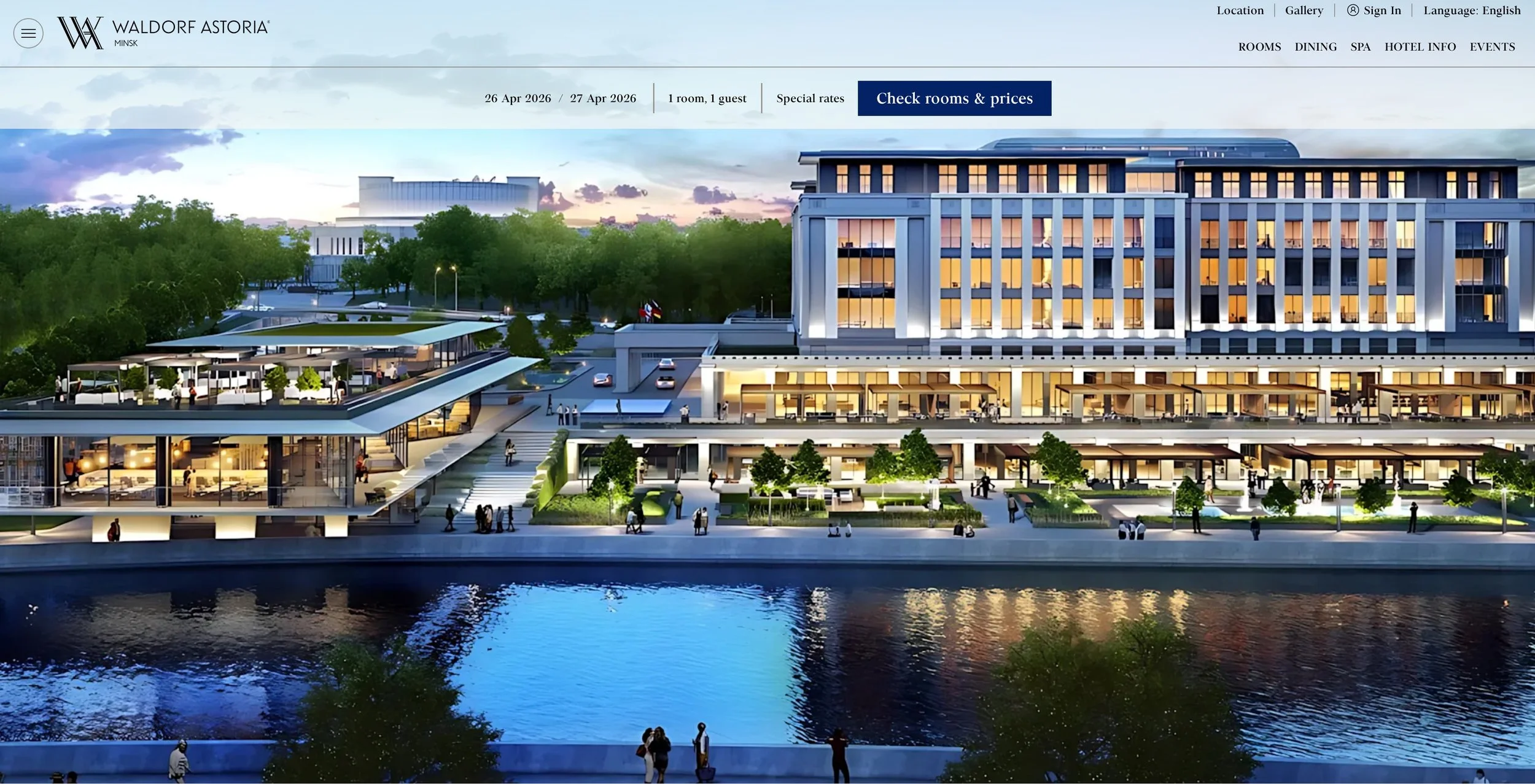
Waldorf Astoria Minsk
Waldorf Astoria Hotels & Resorts is the flagship brand within the portfolio of Hilton Worldwide Holdings.
The US$233 million Grand Hotel Minsk development includes the Waldorf Astoria Minsk, a semi-attached casino, a pedestrian bridge over the Svisloch River, and the thirty-nine room Basilian Curio Collection by Hilton (with its unique normal laundry service- pick-up by 12:00 pm and returned at 6:00 pm, some apartments/suites have kitchens and washer/dryer).
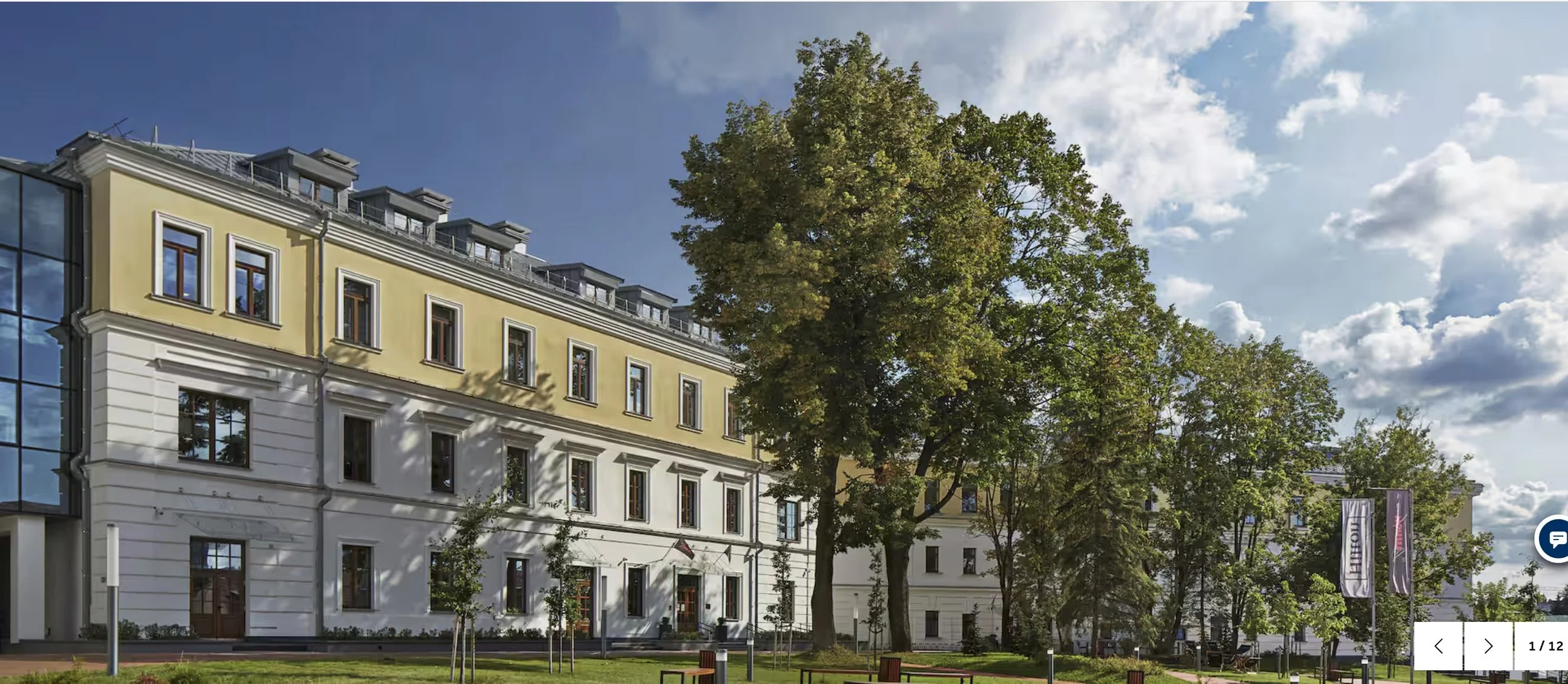
Basilian Curio Collection by Hilton
The Waldorf Astoria Minsk was developed and is managed by Abu Dhabi, United Arab Emirates-based Royal Development Company (a subsidiary of Abu Dhabi, United Arab Emirates-based Royal Development Holding). The property was designed by United Kingdom-based Epstein and Minsk-based Varabyou and Partners. Link: https://rdcuae.com/projects-details/grand-minsk-hotel-belarus

The Waldorf Astoria Minsk has an atrium design. “The neoclassical building features sand tones and columns. Gold, velvet, and marble dominate the interior along with a 9.5-metre clock installation, the tallest among Waldorf Astoria properties. Belarus-based artisans provided straw-weaving motifs.” Unique to this property is large guest seating areas on each floor.
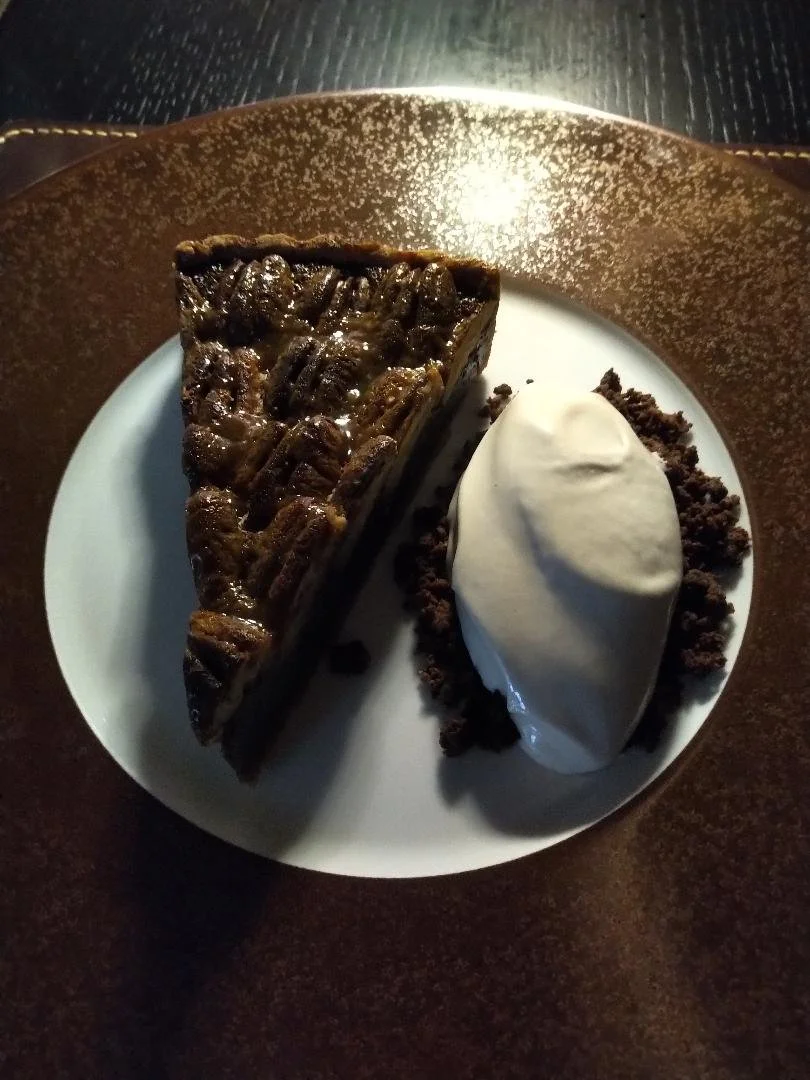
The Waldorf Astoria Minsk includes Mramor Steakhouse (the signature restaurant with impeccable service), Peacock Alley (the brand’s standard bar moniker), Zolo (the breakfast restaurant with three types of caviar at the buffet, shakshuka, and juice varieties from Italy-based Zuegg), a 3,000-square-meter full-service spa, fitness center, pool, a ballroom accommodating 480 guests, a semi-detached casino (not operational and rumored to may be repurposed), and a nightclub.


In the aftermath of the 24 February 2022 expansion of the Russian Federation-Ukraine War, most United States-based hotel brands ceased operations in the Russian Federation and in Belarus.
Properties removed signage for brands owned by Chicago, Illinois-based Hyatt Hotels Corporation (2025 revenue approximately US$7 billion) and Bethesda, Maryland-based Marriott International (2025 revenue approximately US$26 billion).
Paris, France-based Accor S.A. (2025 revenue approximately US$6.6 billion) separated its operations- https://www.accor.ru for its brands in the Russian Federation and https://www.accor.com for its brands in the remainder of the world. Accor S.A. does not have a property in Belarus.
In the Russian Federation and in Belarus, the owners of former United States-branded properties remain mostly unchanged. The signage inside and outside may have changed. There are properties where United States branding remains either intact or present. What exists are parallel hospitality universes. When sanctions imposed by the United States government, sanctions imposed by the twenty-seven-country member Brussels, Belgium-based European Union (EU), and self-imposed policies of companies again permit the return to the Russian Federation and to Belarus, brands will seek to return because marketplaces with approximately 144 million citizens and approximately ten million, respectively, are too enticing to leave to competitors.
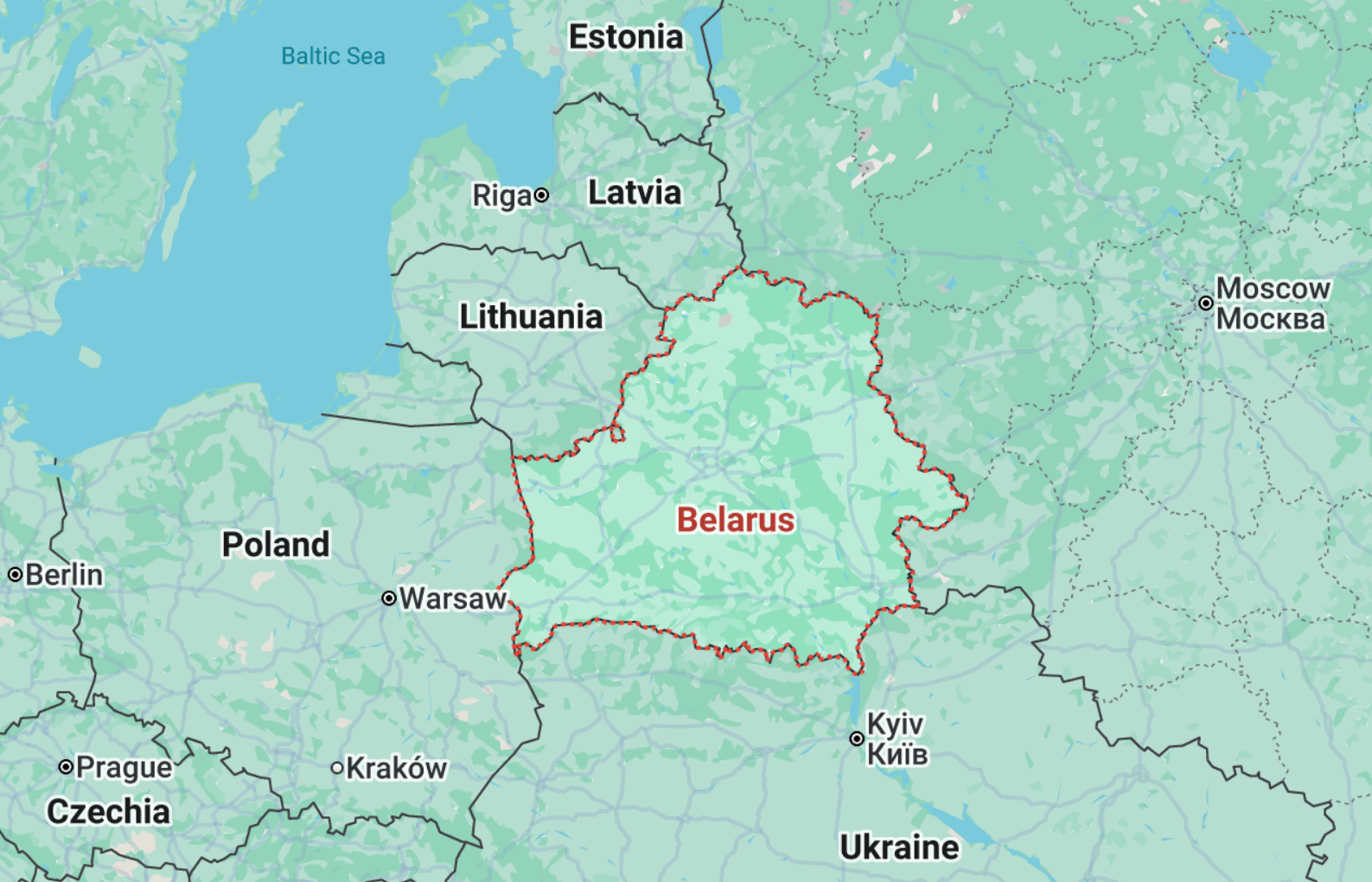
Hilton Worldwide Holdings continues to manage twenty-four (24) properties in the Russian Federation and five (5) properties in Belarus- four in Minsk and one in Brest, near the border with Poland.
The founder of Hilton Worldwide Holdings, Conrad Hilton (1987-1979), was a prominent supporter of the Republican Party.
After serving in World War II (1939-1945) and Korean War (1950-1953), Five-Star United States Army General Douglas MacArthur (1880-1964) resided in a suite of the Towers at the Waldorf Astoria Hotel in New York, New York, from 1951 until his death in 1964.
Herbert Hoover, President of the United States (1929-1933), resided in a suite of the Towers at the Waldorf Astoria Hotel in New York, New York, from 1940 until his death in 1964.
Hilton Worldwide Holdings has since 2022 managed Waldorf Astoria Washington DC in the Old Post Office leased from the United States government. From 2016 to 2022, the property was leased to and managed by the New York, New York-based The Trump Organization and branded as Trump International Hotel.
For the government of Belarus and for the citizens of Belarus, failure of the Grand Hotel Minsk development US$233 million investment could be disastrous. This is in part because the definition of failure is neither linear nor singular, it is related to money and politics.
Failure reinforces reasons to avoid today’s Belarus. Failure impacts negatively young men and young women who now have employment and training in the hospitality sector- and are working for a global brand- and a United States-based brand. That means opportunities- providing aspiration and inspiration. Should be a criminal and no-way-back offense for a politician to abridge the aspiration and inspiration of youth.
For many observers, Belarus occupies space in a parallel political universe. Election results questioned. Term limits extinguished. In 2021, a Ryanair aircraft instructed to land at National Airport Minsk (MSQ) and a passenger who is a citizen of Belarus is arrested, imprisoned, and eventually released. On 24 February 2022, from Belarus the armed forces of the Russian Federation entered Ukraine. Yet, global credit card brands MasterCard and Visa remain operational in Belarus. Global credit card brands American Express, MasterCard, and Visa and global financial institutions disengaged from the Russian Federation. Global product brands continue to be available in Belarus. Constricted border access remains operational with Latvia, Lithuania, and Poland.
Beginning in 2025, representatives of the Trump-Vance Administration (2025-2029) have engaged in bilaterals with officials of the government of Belarus. There have been releases of prisoners. Orders for four Boeing 737-Max 8 aircraft by Minsk, Belarus-based Belavia Airlines suspended in 2022 were reauthorized. Restrictions were removed on routings and servicing of Belavia Airlines aircraft. Restrictions were removed upon fertilizer exports. There is a trajectory towards a full restaffing at the United States Embassy in Minsk. However, the EU has not adopted changes implemented by the Trump-Vance Administration, including removal of restrictions upon Belavia and fertilizer exports from Belarus.
EU: Austria, Belgium, Bulgaria, Croatia, Cyprus, Czech Republic, Denmark, Estonia, Finland, France, Germany, Greece, Hungary, Ireland, Italy, Latvia, Lithuania, Luxembourg, Malta, Netherlands, Poland, Portugal, Romania, Slovakia, Slovenia, Spain, Sweden.
A primary goal of The White House is to befriend and influence the government of Belarus so it in turn will influence decisions by the government of the Russian Federation. There is a belief re-engagement by Washington DC with Minsk will provide the will for Minsk not only to defy Moscow, but to separate itself from Moscow. The White House wants Minsk to recognize its future is westward rather than eastward. The challenge for Minsk, Moscow, and Washington DC is politicians rarely focus upon a future past their next anticipated election day.
The White House envisions what may be defined as a “Cuba-Lite” process where the government of Belarus will implement similar changes to what The White House envisions with the government of the Republic of Cuba. In addition, the government of Belarus might be a useful interlocutor for The White House with the government of the Republic of Cuba given the connectivity by Minsk with Havana.
“We have far more issues to resolve, and that's the subject of a big deal. Once we finalise this at a lower level, we're ready to meet with Donald and sign the agreement.” Alexander Lukashenko, President of Republic of Belarus (1994-2030)
The White House believes the government of Belarus must implement changes to its commercial, economic, financial, political, and societal policies.
From the perspective of The White House, for Belarus with its approximately ten million citizens (taxpayers, voters) to thrive rather than survive, to fully reflect their aspirations and inspirations, and to re-connect with border nations (Latvia, Lithuania, Poland, Ukraine), there must be changes to restrictions, sanctions, and statutes. Those self-inflicted and those inflicted from afar.
Citizens of Belarus want the choice of visiting Latvia, Lithuania, Poland, and Ukraine. They want easier access to all EU-member countries. They want efficient travel by bus, car, and train to cross the borders of their neighbors. They want increased airline connectivity to travel afar. They want access to products and services found throughout the EU.
On 24 February 2022, the armed forces of the Russian Federation invaded and further invaded the territory of Ukraine in what Vladimir Putin, President of the Russian Federation (2000-2008 and 2012-2030), defined first as a Special Military Operation (SMO) and on 22 December 2022 defined as a war. The initial invasion of Ukraine by the armed forces of the Russian Federation was in part from the territory of Belarus.
The war commenced by the Russian Federation against Ukraine did not commence on 24 February 2022. The roots began their trajectories on 20 February 2014 when the armed forces of the Russian Federation invaded the Crimean Peninsula and the area known as the Donbas Region (Donetsk Oblast and Luhansk Oblast).
As of 21 April 2026, the armed forces of the Russian Federation control approximately 19.5% of the internationally-recognized territory of Ukraine. 100% of the Crimean Peninsula. Approximately 99% of Luhansk Oblast. Approximately 83% of Donetsk Oblast. Approximately 75% of Kherson Oblast. Approximately 75% of Zaporizhzhia Oblast. Very small portions (less than 1%) within Kharkiv Oblast, Mykolaiv Oblast, Dnipropetrovsk Oblast, and Sumy Oblast.
The Russian Federation-Ukraine War has altered how companies and governments view supply chains.
Particularly, how governments and companies view sourcing of agricultural commodities, energy, food products, equipment, healthcare products, machinery, minerals, tourism, and travel.
Countries and companies who believed they were the sole source or only viable source for products and services discovered there were other sources. Obtaining products and services from other sources might be more distant, might be more expensive, might be less available in quantity, and might be less desirable in quality. But, there were other substitutes.
For Belarus, the movement of its products westward to the nearest markets and nearest ports through shared borders with Latvia, Lithuania, Poland, and Ukraine are closed. The movement of products eastward is more expensive and the additional transportation costs results in fewer customers. Two large markets, China and the Russian Federation, are focused upon increasing their exports as commercial, economic, financial, political, and societal policies, along with restrictions, sanctions, and statutes impact their domestic product and service exports. There are more suppliers chasing fewer customers. That does not necessarily make a long-term viable marketing strategy particularly when one of the suppliers is far smaller than the other two.
“When the EU imposed sanctions on Russia four years ago, Estonian timber producer Puidukoda quickly had to figure out how to replace more than half of its imports of spruce and pine by pivoting to suppliers in Scandinavia. It’s among hundreds of companies that overhauled how they do business after the Baltic states underwent the most dramatic economic shift in Europe caused by Russia’s war in Ukraine. As other countries make noises about normalizing ties with Moscow, officials in the region say there’s no going back.” Bloomberg (23 April 2026)
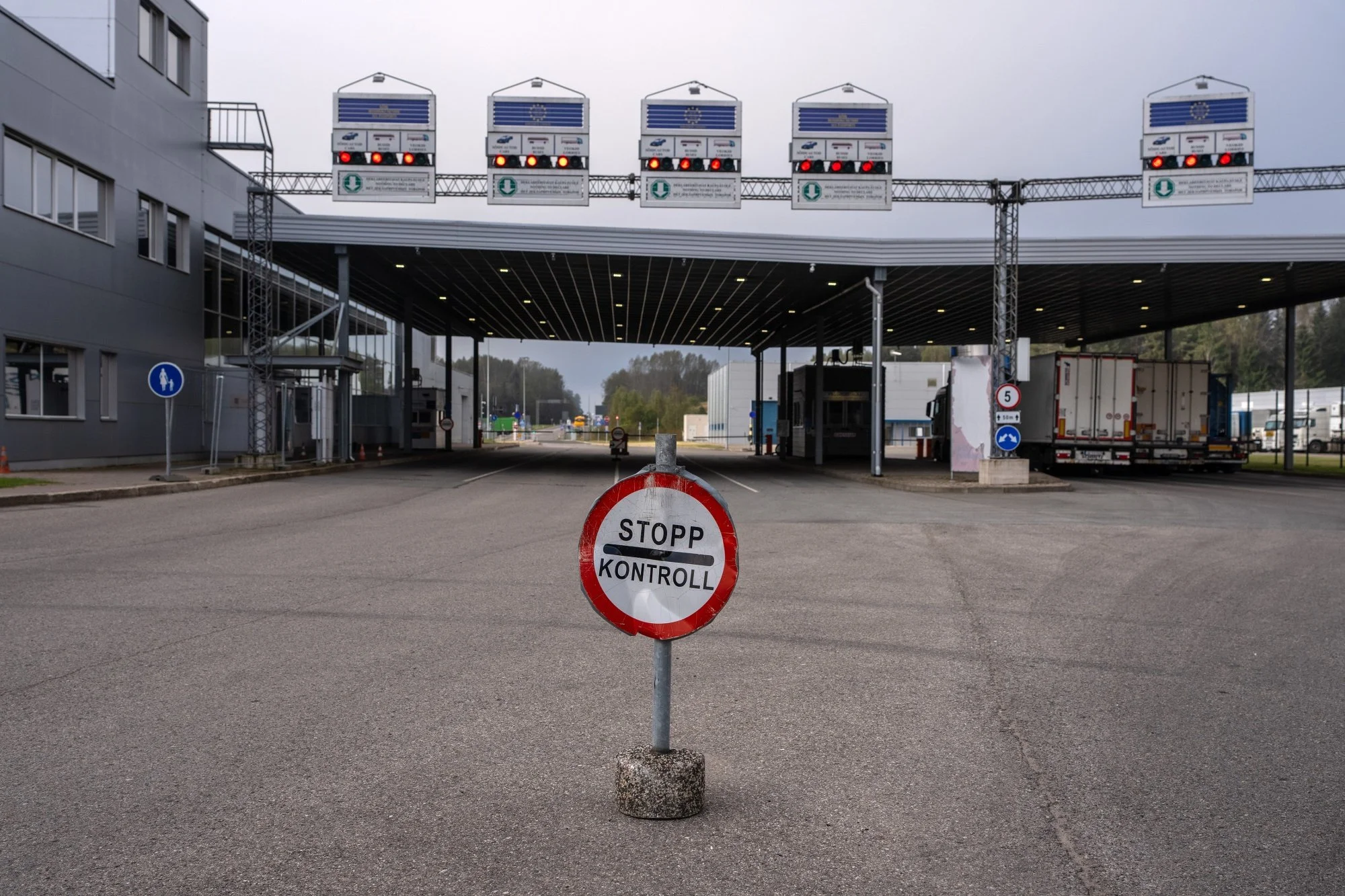
This why one “he” remains critical to Belarus. Both its present and its future. Donald Trump, President of the United States (2017-2021 and 2025-2029), has since returning to The White House on 20 January 2025 changed, lessened, or removed policies and regulations impacting Belarus- its citizens, its companies, and its government.
Those initiatives have yet to bear a robust harvest of political fruit. Most of the political fruit remains on the tree and vine. Some expected results have been nullified by decisions of the government of Belarus which make more challenging for the Trump-Vance Administration to continue with re-engagement where the benefits of that re-engagement are primarily bilateral rather than multilateral.
Unless there is commercial buy-in and political buy-in from the heads of state and heads of government representing the EU, particularly those in Latvia, Lithuania, and Poland, the compass for Belarus continues to point toward an unnatural and unprofitable east rather than a natural and profitable west. President Trump can persuade heads of state and heads of government to re-engage with the government of Belarus, but to do so he needs tools from the government of Belarus. For quid pro quo there needs to be quid and quo.
The government of Ukraine neither needs exert too much effort toward leadership in the EU nor towards the capital cities Tallin, Vilnius, or Warsaw to obtain support for constrictions upon the government of Belarus- and thus the citizens of Belarus. There is, however, no guarantee as to the duration of that support since domestic political considerations in Latvia, Lithuania, and Poland trump desires of Kyiv.
The White House remains hopeful President Lukashenko will confirm neither he nor members of his family will seek political office in 2030; the government of Belarus will release individuals incarcerated who are on lists maintained by the EU and The White House- thus far, a reported approximately five hundred of one thousand three hundred have been released; the government of Belarus will agree to border accords with Latvia, Lithuania, and Poland; and the government of Belarus will remove restrictions upon access to the internet and mobile applications.
Then quite likely the government of Belarus may have its “big deal” with the Trump-Vance Administration.
“I’ve done a lot to make Belarus what it is today... You [Russia Today interviewer] said it’s a decent country, that people live good lives here. A peaceful, safe country. Naturally, I want to see that preserved. I want it to remain a land of opportunity, where anyone can realize themselves. In that sense, we’ve succeeded… Americans need to understand that sanctions haven’t worked. We’ve adapted, so political prisoners, sanctions... Listen, that’s a minor issue.” Alexander Lukashenko, President of Belarus
“We are legally bound to each other, and Russia has clearly stated that it will use its entire arsenal of weapons to defend Belarus. The whole world knows this.” Alexander Lukashenko, President of Belarus